


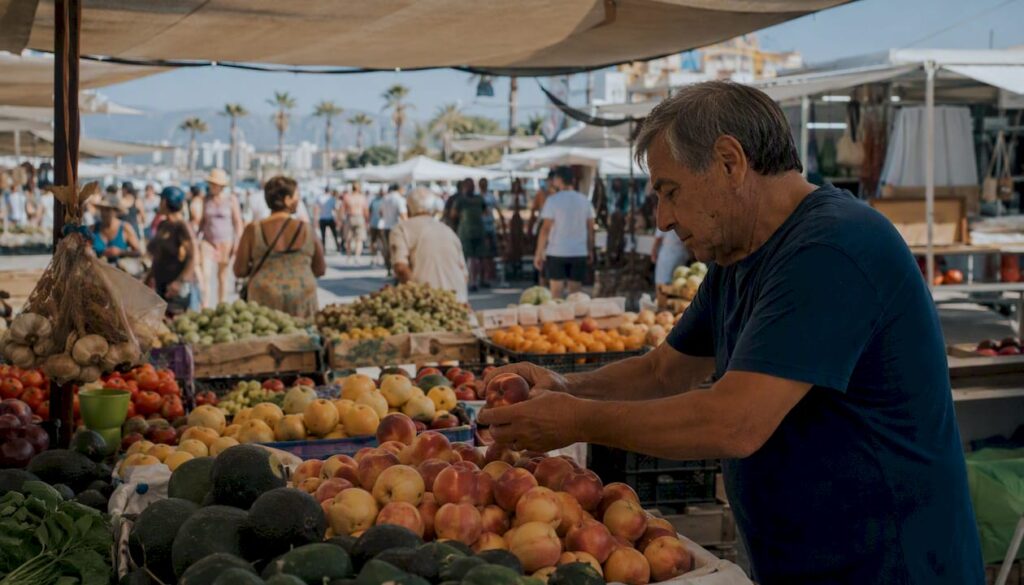
Sabinillas’ markets are the town’s weekly engine for food, social life and local trade. The Sunday rastro, the Friday paseo mercado and the summer Mercado del Mar together form a rhythm that shapes how residents shop, eat, socialise and think about their week. The role of Sabinillas’ local market lifestyle goes well beyond picking up tomatoes or a second-hand lamp. These markets are where neighbours meet, where small producers find their first customers, and where the town’s Spanish character holds firm against the pull of supermarket convenience.
The practical case for markets here is straightforward:
- Sunday rastro (fairground, Camino Los Baños): antiques, bric-à-brac, fresh produce, crafts, 09:00–14:00, year-round
- Friday mercado (Paseo Marítimo, La Noria area): fresh produce, clothing, household goods, 09:00–14:00, year-round
- Mercado del Mar: summer evening seafront market, July through late August
- Mercado Medieval: occasional themed event, typically autumn or winter
Markets in Sabinillas are not a weekend novelty. They are the infrastructure of daily life for residents — the place where food is sourced, friendships are maintained, and the local economy quietly circulates money back into the community.
Research on local food systems confirms what Sabinillas residents already know: markets create multiplier economic effects, support small growers and strengthen community engagement in ways that supermarkets simply cannot replicate.
Table of Contents
- What are the main Sabinillas markets and when do they run?
- What can you buy at Sabinillas’ market stalls?
- How does the season change what you find at the markets?
- How do Sabinillas’ markets shape local lifestyle, health and the economy?
- Practical tips for visiting Sabinillas markets like a local
- Key takeaways
- Why markets matter if you live in or move to Sabinillas
- Looking for a home near Sabinillas’ markets?
- Sources and further reading
What are the main Sabinillas markets and when do they run?
The town runs two permanent weekly markets and a handful of seasonal events. Each has its own character, crowd and purpose.
| Market | Day | Hours | Location | Character |
|---|---|---|---|---|
| Rastro de Sabinillas | Sunday | 09:00–14:00 | Fairground, Camino Los Baños | Antiques, bric-à-brac, produce, crafts; relaxed and browsable |
| Friday Mercado | Friday | 09:00–14:00 | Paseo Marítimo, La Noria area | Fresh produce, clothing, household goods; practical weekly shop |
| Mercado del Mar | July–late August | Evenings | Seafront promenade | Family entertainment, food stalls, carnival atmosphere |
| Mercado Medieval | Seasonal (varies) | Varies | Town centre / seafront | Themed crafts, food, costumed traders |
The Sunday rastro draws numerous stalls and has been part of the town’s fabric since at least the 1990s, relocating several times as Sabinillas expanded. Stallholders begin setting up from around 08:30, and the best antiques and produce go early. The Friday market on the Paseo Marítimo near La Noria serves a more functional role: it is where residents top up on fresh vegetables, pick up a new kitchen item and catch up with the same vendors they have known for years.
The two markets feel genuinely different. The rastro has the unhurried energy of a treasure hunt. The Friday mercado is closer to a neighbourhood grocery run, just with better conversation.
What can you buy at Sabinillas’ market stalls?
The range is wider than most first-time visitors expect. Both markets carry a mix of everyday goods and the kind of finds you will not see in any supermarket.
At the Sunday rastro:
- Antiques, vintage furniture and bric-à-brac (the rastro’s signature)
- Clothing, shoes and accessories, often at low prices
- Fresh fruit and vegetables from local and regional growers
- Artisan cheeses, jamón, olives and charcuterie
- Moroccan ceramics, spices and leather goods
- Handmade crafts and jewellery
At the Friday mercado:
- Seasonal fresh produce: tomatoes, peppers, courgettes, citrus, stone fruit
- Eggs, honey and local dairy
- Clothing, household textiles and cleaning supplies
- Prepared foods including churros, empanadas and roasted nuts
Cash is the practical standard at both markets. Most stalls are cash-only, and while a few vendors now accept card payments, carrying euros avoids any awkward moments at the front of a queue. Prices are generally lower than supermarket equivalents for produce, and antique stalls at the rastro tend to price for negotiation rather than firm sale.
How does the season change what you find at the markets?
Sabinillas sits in one of Spain’s most productive agricultural zones, and the markets reflect that directly. What appears on the stalls shifts noticeably through the year, and regular shoppers adapt their cooking accordingly.
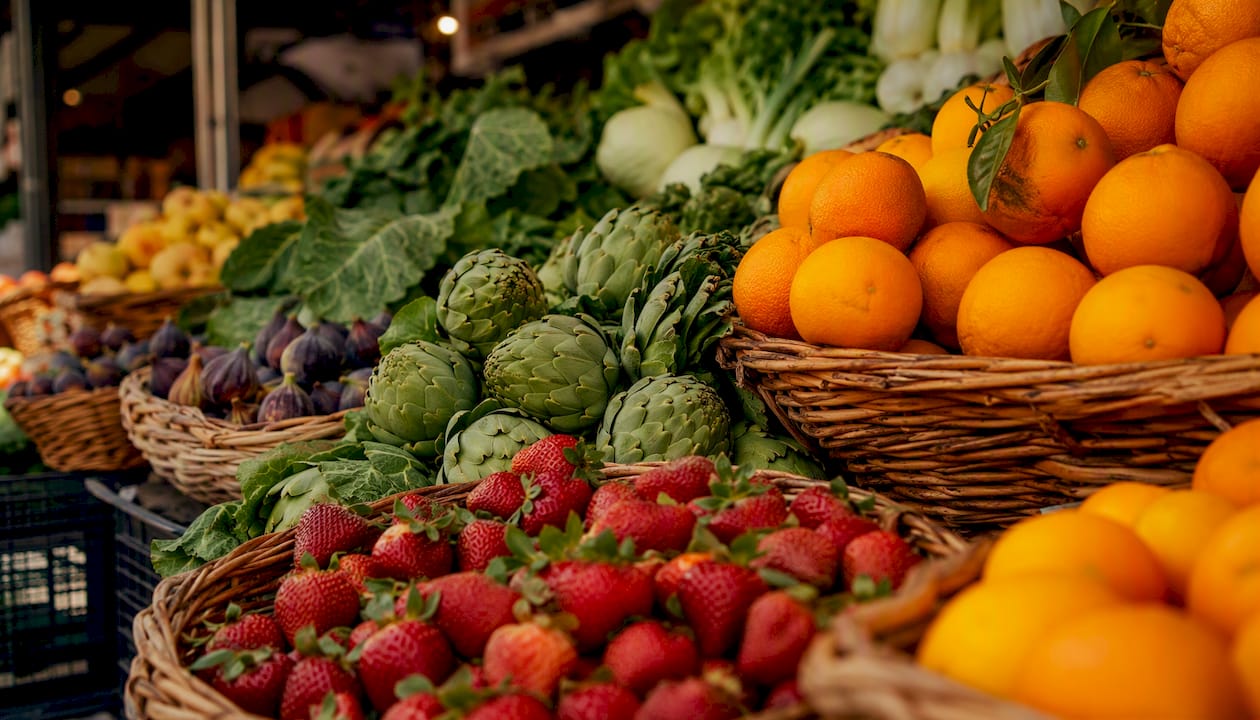
| Season | Typical produce at market | Market activity |
|---|---|---|
| Winter (December–February) | Citrus (oranges, lemons, mandarins), root vegetables, winter greens | Sunday rastro and Friday mercado run as normal |
| Spring (March–May) | Strawberries, asparagus, broad beans, artichokes | Peak produce variety; stalls busiest |
| Summer (June–August) | Tomatoes, peppers, courgettes, peaches, watermelon | Mercado del Mar adds evening shopping and leisure |
| Autumn (September–November) | Figs, grapes, pomegranates, squash | Occasional Mercado Medieval events |
The Mercado del Mar transforms the seafront from July through late August, shifting the town’s shopping and leisure rhythm to the evening. Families who would normally shop in the morning instead stroll the promenade after dinner, picking up food and gifts while children ride the fairground attractions. It is a different kind of market visit entirely: slower, more social, less purposeful in the best possible way.
This seasonal pattern supports what local guides describe as a slow-living shopping habit: buying what is available now, in smaller quantities, more often. Residents who shop the markets regularly tend to cook more at home and waste less food, simply because they are buying what is ripe rather than what has a long shelf life.
How do Sabinillas’ markets shape local lifestyle, health and the economy?
The impact of local markets on a community is well-documented, and Sabinillas is a clear example of the pattern in action.
Research from NC State Extension on local food systems shows that farmers markets and local food networks create multiplier economic effects: money spent at a market stall circulates locally rather than leaving the area through a supermarket supply chain. Markets also act as low-barrier entry points for small growers and artisans, letting producers test products and build a customer base before scaling up.
Markets are where the local economy breathes. Every euro spent at a Sabinillas stall is more likely to stay in Manilva municipality than money spent at a chain supermarket — supporting the vendor, their supplier, and the café where they have breakfast afterwards.
The Farmers Market Coalition summarises the wider benefits: job creation, improved access to fresh and nutritious food, vendor education of shoppers, and high rates of sustainable practices among market traders. These are not abstract benefits. In Sabinillas, they show up as a town that functions as the commercial hub of the Manilva municipality, with markets integrated into everyday life rather than positioned as a tourist attraction.
The lifestyle effects are just as concrete. Local guides note that market routines encourage walking, reduce car use and create regular social contact with vendors and neighbours. A first-hand account from a nearby Andalusian town describes how a five-minute walk to the local mercado reduced car trips, increased daily steps and improved social well-being. The pattern is consistent: people who shop markets regularly tend to cook more, walk more and know their neighbours better.
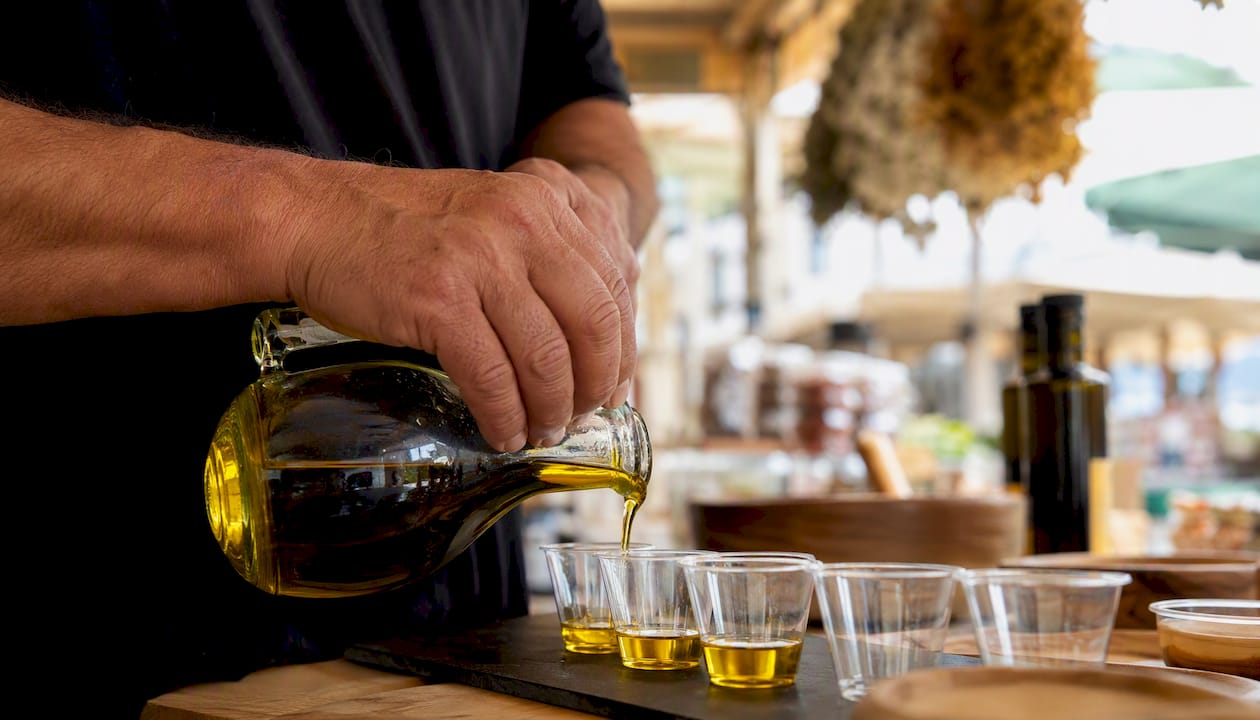
The rastro’s history reflects the town’s own growth. It has relocated several times since 1990 to accommodate more stalls and more visitors, now running at over 100 stalls on the fairground site. That evolution is not just logistical. It tracks Sabinillas’ transformation from a quiet fishing village into one of the Western Costa del Sol’s most active residential communities.
Practical tips for visiting Sabinillas markets like a local
A few habits separate the experienced market-goer from the tourist who leaves empty-handed.
- Bus 531 — connects Sabinillas to nearby towns including Estepona and Manilva, making the markets accessible without a car.
Pro Tip: At the Sunday rastro, the antique and vintage stalls cluster towards the back of the fairground. Walk past the clothing and produce stalls at the entrance first, then double back. The best finds are rarely at the front.
Key takeaways
Sabinillas’ markets are the clearest expression of the town’s community-centred, slow-living character: practical, social and economically grounded in the local area.
| Point | Details |
|---|---|
| Two permanent weekly markets | The Sunday rastro (09:00–14:00, fairground) and Friday mercado (09:00–14:00, Paseo Marítimo) run year-round and serve distinct purposes. |
| Seasonal produce shapes daily cooking | Market stalls follow local harvests, encouraging residents to cook with what is ripe rather than what is convenient. |
| Markets support the local economy | Local food systems create multiplier effects, keeping spending within the community and supporting small producers and vendors. |
| Slow-living lifestyle benefits | Regular market shopping increases walking, reduces car use and strengthens social ties with neighbours and vendors. |
| Omnirealestate local expertise | Omnirealestate specialises in properties for sale in Sabinillas and can help buyers find homes close to the markets and seafront amenities. |
Why markets matter if you live in or move to Sabinillas
Most articles about Sabinillas mention the markets as an amenity, the way they might mention a beach or a restaurant. That undersells what they actually do for the people who live here.
The markets give the week a structure. Friday morning means the mercado. Sunday means the rastro. Those fixed points pull you out of the house, put you on foot, and put you in front of the same faces week after week. That is not a small thing. It is the difference between living in a place and belonging to it.
What strikes me most about the Sabinillas market culture is how stubbornly local it remains. The rastro is not curated for Instagram. The Friday mercado is not a food hall with artisan branding. They are functional, a little chaotic, and entirely genuine. The vendors know their regulars. The regulars know which stall has the best oranges in February and which one to avoid in August. That accumulated knowledge is a form of community that no supermarket can manufacture.
For anyone considering a move to this part of the Costa del Sol, the markets are worth treating as a serious factor. A property within walking distance of the Paseo Marítimo or the fairground is not just convenient. It is a daily invitation to live more slowly, eat better and know your neighbours. That is a lifestyle, not just a location.
Looking for a home near Sabinillas’ markets?
Living within walking distance of Sabinillas’ markets is one of those lifestyle advantages that sounds modest until you actually experience it: fewer car trips, better food, and a weekly social rhythm that keeps you connected to the town rather than passing through it.
Omnirealestate has spent over ten years living and working in this part of the Western Costa del Sol, which means the team understands exactly which streets put you five minutes from the Paseo Marítimo on a Friday morning and which developments sit closest to the Sunday fairground. With a database of over 7,500 listings across Sabinillas, Manilva, Estepona, Casares and La Duquesa, Omnirealestate can match you to a property that fits both your budget and the lifestyle you are looking for. Use the property finder to start your search, or browse current Costa del Sol listings directly. If you already have a property in mind, the team offers a free property valuation to help you understand current market value before you commit.
Sources and further reading
The following sources informed this article. For current event schedules, the Manilva municipal website and local noticeboards at the markets themselves are the most reliable sources.
- Sabinillas Sunday Flea Market – Manilva
- Sabinillas Friday market – Manilva
- San Luis de Sabinillas information guide – Viva Manilva
- Manilva & Sabinillas shopping guide
- Local Food Systems: Clarifying current research | NC State Extension
- The Benefits of Farmers Markets | Farmers Market Coalition
- Why living near a local market improved my life (Stories from Sevilla)
- Manilva / Sabinillas guide – Andalucia.com