



A Multiple Listing Service (MLS) in Spain is defined as a voluntary, private collaboration network where real estate agencies share exclusive property mandates to increase market exposure and transaction efficiency. The role of MLS multiple listing in Spain is far broader than a simple database. It is a professional framework, governed by a strict ethical code, that connects buyers and investors to a wider inventory than any single agency could offer alone. Active for around 30 years and adapted from the US model, Spain’s MLS operates through private agreements among vetted agencies, not as a universal public registry.
How does the MLS system work in Spain?
The MLS system in Spain functions through private contractual agreements among specific groups of agencies. It is not a mandatory national database. Membership requires meeting professional standards and agreeing to a shared ethical code. That distinction matters enormously for buyers and investors.
When a seller signs an exclusive mandate with one agency, that agency shares the listing across the entire MLS network. Every member agency can then market and show the property. The seller still has a single point of contact, but the property gains exposure across dozens of agencies simultaneously.

This is fundamentally different from public property portals. Portals are designed to keep users browsing. MLS networks prioritise completing transactions efficiently, not maximising page views. The result is a faster, more professional process for both sides of a deal.
Regional MLS platforms along the Costa del Sol and Axarquía report over 5,900 active properties and between 1,200 and 1,500 pre-authorised listings ready for immediate marketing. That volume gives MLS members a clear inventory advantage over agencies working in isolation.
| Feature | MLS network | Public portal |
|---|---|---|
| Inventory access | Shared exclusive listings across member agencies | Publicly submitted listings, open to all |
| Documentation quality | Vetted and pre-authorised by member agencies | Variable, no standard quality control |
| Transaction focus | Completing sales efficiently | Maximising user browsing time |
| Off-market access | Yes, properties often sold before portal listing | No, only publicly advertised properties |
| Professional standards | Governed by strict ethical code | No membership requirements |
- MLS listings are often pre-authorised, meaning documentation is verified before marketing begins.
- Agencies share commissions under agreed terms, removing the incentive to withhold listings.
- Buyers access a consolidated inventory rather than searching across multiple agency websites.
Pro Tip: Ask any agent you approach whether they belong to a regional MLS. If they do, you gain access to their entire network’s inventory, not just their own portfolio.
What are the benefits of MLS for buyers and investors in Spain?
The primary benefit for buyers is access to a far wider inventory than any single agency holds. MLS collaboration gives buyers the ability to filter thousands of properties by specific criteria, from location and price to build quality and rental yield potential, across multiple agencies’ listings in one search.
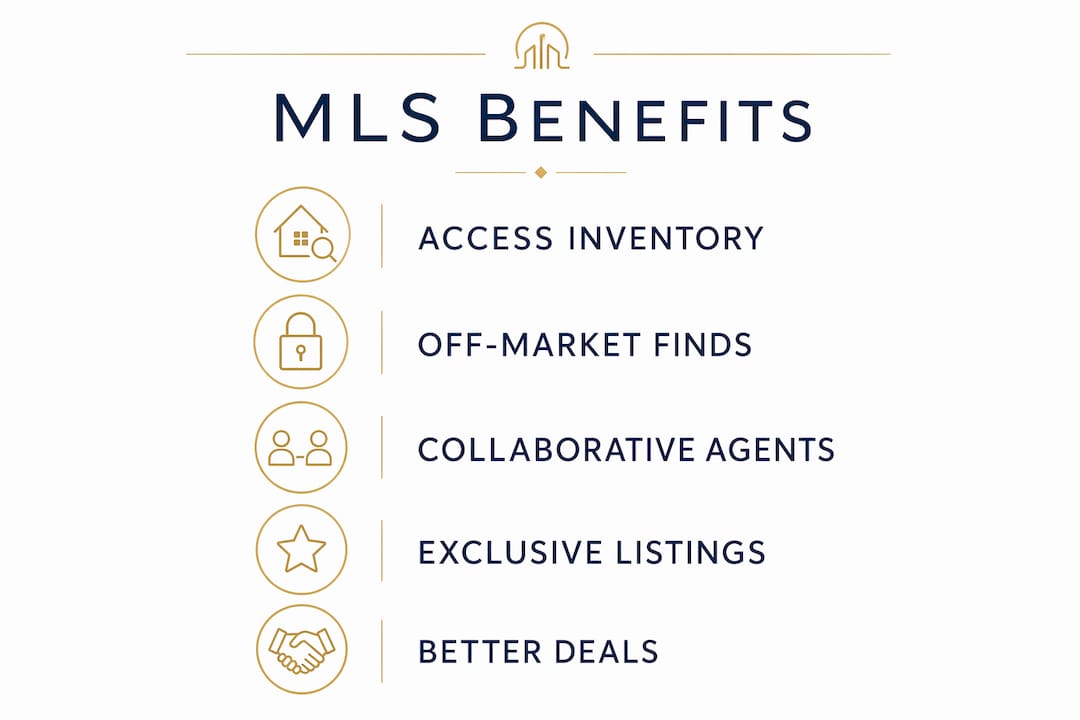
For investors, the off-market advantage is particularly significant. Many properties in Spain sell within MLS networks before they ever appear on public portals. Buyers working with MLS-linked agents gain privileged access to these opportunities. In a market where supply is tight and international demand is high, that early access can be decisive.
Transparency is another concrete advantage. MLS membership requires strict professional standards and ethical codes, meaning not every agent qualifies to join. That vetting process protects buyers from dealing with under-qualified intermediaries. Documentation is checked before listings enter the network, which reduces the risk of legal complications later.
Key benefits for buyers and investors include:
- Access to over 5,900 active listings in major regional networks, plus pre-authorised properties.
- Off-market properties not visible on public portals like Idealista or Fotocasa.
- Verified documentation, reducing legal risk during due diligence.
- A single agent contact who can present properties from multiple agencies.
- Consistent pricing, as MLS ethics discourage inflated commissions or hidden fees.
Pro Tip: When working with an MLS-linked agent, ask specifically for pre-authorised listings. These properties are ready to market immediately, which means faster transactions and less risk of deals falling through on documentation issues.
For buyers using Omnirealestate’s property finder service, MLS network access translates directly into a broader, better-vetted selection of properties across Estepona, Casares, Sabinillas, Duquesa, and Manilva.
Why do agencies collaborate within MLS networks?
MLS is fundamentally a collaborative philosophy governed by ethics, not simply a technology platform. That distinction explains why it works. Agencies that join an MLS agree to share listings, split commissions transparently, and maintain professional conduct standards. The system only functions when every member upholds those obligations.
The competitive logic is straightforward. Smaller agencies use MLS collaboration to compete against large international real estate networks by pooling resources and expanding reach. A boutique agency in Manilva with 50 listings effectively gains access to thousands of properties by joining an MLS. That reach would be impossible to achieve through advertising spend alone.
In 2026, with limited supply and strong international buyer demand across the Costa del Sol, MLS collaboration has become a practical necessity for many agencies. The network effect means that a property listed by one member reaches every buyer being served by every other member. That is a multiplier no single agency can replicate independently.
The professional advantages of MLS membership include:
- Shared inventory access. Members can present any listing in the network to their clients, regardless of which agency holds the mandate.
- Pre-agreed commission structures. Transparent fee-sharing removes disputes and speeds up negotiations between agencies.
- Enhanced negotiating power. Agents with access to broader inventory negotiate from a position of knowledge, not guesswork.
- Data sharing. MLS networks provide market data on pricing trends, transaction volumes, and demand patterns that isolated agencies cannot access.
- Credibility with sellers. Sellers prefer agencies that can demonstrate network reach, making MLS membership a genuine competitive advantage when pitching for mandates.
Pro Tip: When evaluating an agent’s credentials, ask which MLS network they belong to and how many active listings that network holds. A reputable MLS membership is a stronger quality signal than any marketing claim.
What should buyers know when working with MLS-linked agents?
The first practical step is verifying that your agent belongs to a recognised MLS. Reputable regional networks maintain entry criteria and publish membership information. An agent who cannot confirm MLS membership is working from their own portfolio only, which limits your options considerably.
Understanding the shared exclusive listing concept removes a common source of confusion. When a seller grants an exclusive mandate to one agency, that does not mean the property is hidden from other buyers. The listing agent shares it across the MLS, so buyers working with any member agency can access it. The seller retains one point of contact. The buyer works with their chosen agent. Both sides benefit from the structure.
Practical steps for buyers and investors working with MLS-linked agents:
- Confirm MLS membership before committing to an agent relationship.
- Request a search across the full MLS inventory, not just the agent’s own listings.
- Ask whether any pre-authorised or off-market properties match your criteria.
- Clarify commission arrangements upfront. MLS ethics require transparency on fees.
- Use MLS access as a filter for investment properties by requesting yield data alongside listing details.
A common misconception is that MLS membership means all agents charge the same fees. Commission rates vary, but the ethical code requires that all fees are disclosed clearly. That transparency is a buyer protection, not a constraint.
For buyers researching the UK buyer’s guide to purchasing in Spain, understanding MLS structure is one of the most practical steps you can take before beginning your property search.
Key takeaways
The MLS multiple listing service in Spain gives buyers and investors access to a vetted, off-market inventory that public portals cannot match, making MLS-linked agents the most effective route to the Spanish property market.
| Point | Details |
|---|---|
| MLS is a private network | It operates through voluntary agreements among vetted agencies, not as a public database. |
| Off-market access is a key advantage | Many Spanish properties sell within MLS networks before appearing on public portals. |
| Ethical standards protect buyers | Strict membership criteria and commission transparency reduce legal and financial risk. |
| Smaller agencies gain network reach | MLS collaboration lets boutique agencies compete with large international networks. |
| Verify membership before committing | Confirm your agent belongs to a recognised MLS to access the full regional inventory. |
Why I think MLS is the most misunderstood tool in Spanish property
Most buyers arrive in Spain thinking the major public portals show everything available. They do not. The off-market reality of MLS networks means a significant portion of the best properties never reach those platforms at all. I have seen buyers spend months searching portals and miss properties that sold quietly within MLS networks weeks earlier.
The other thing conventional wisdom gets wrong is treating MLS as a technology product. It is not. The technology is secondary. What makes MLS work is the ethical framework and the professional trust between member agencies. A network with weak entry criteria and no enforcement of its ethical code is just a shared spreadsheet. The best regional networks in Spain, particularly along the Costa del Sol, maintain genuinely high standards. That is what makes them worth seeking out.
My honest view is that in 2026, working without an MLS-linked agent in a high-demand market like the Western Costa del Sol is a structural disadvantage. You are searching a fraction of the available inventory and competing against buyers who are not.
— Nina
How Omnirealestate connects you to MLS-backed listings on the Costa del Sol
Omnirealestate operates with direct access to MLS networks across Estepona, Casares, Sabinillas, Duquesa, and Manilva, with a database of over 7,500 listings. That reach means buyers and investors working with Omnirealestate are not limited to a single agency’s portfolio.
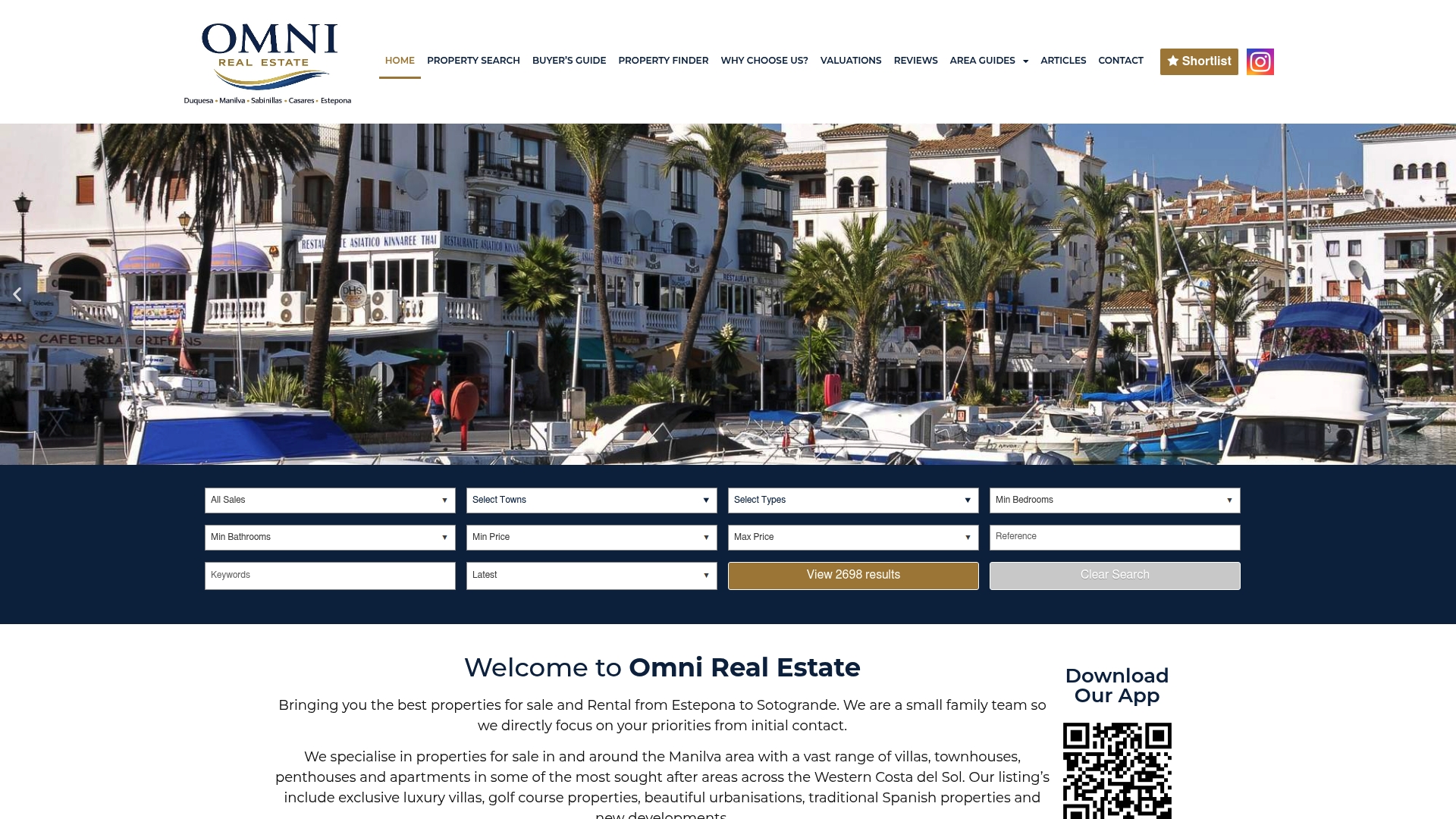
The team’s decade-long presence in Duquesa gives them established relationships within regional MLS networks, including access to pre-authorised and off-market properties. Whether you are searching for a luxury villa, an investment apartment, or a family home, the property search tool draws on MLS-backed inventory to match your criteria accurately. Contact Omnirealestate directly for a personalised search across the full MLS network, with guidance from agents who know the Western Costa del Sol in depth.
FAQ
What is the MLS system in Spain?
The MLS (Multiple Listing Service) in Spain is a voluntary, private collaboration network among real estate agencies who share exclusive property mandates under a strict ethical code. It has operated in Spain for approximately 30 years, adapted from the US model.
How does MLS differ from public property portals in Spain?
MLS networks focus on completing transactions efficiently through professional collaboration, while public portals are designed to maximise user browsing. MLS listings are vetted and often include off-market properties not visible on public sites.
Can buyers access off-market properties through MLS in Spain?
Yes. Many properties in Spain sell within MLS networks before appearing on public portals, giving buyers working with MLS-linked agents privileged access to exclusive listings.
What does a shared exclusive listing mean in Spain’s MLS?
A shared exclusive listing means one agency holds the seller’s mandate but shares the property across all MLS member agencies. The seller has a single point of contact while the property gains exposure across the entire network.
How do I know if an agent in Spain belongs to an MLS?
Ask the agent directly which MLS network they belong to and request confirmation of membership. Reputable regional networks maintain published membership criteria and entry standards that distinguish qualified members from independent agents.