



The La Duquesa property ownership checklist is the definitive set of legal, financial, and practical steps international buyers must complete to secure a sound property purchase in Spain. Buying in La Duquesa means navigating Spanish ownership law, community obligations, and planning rules that differ significantly from UK or Northern European systems. Get these steps right and you protect your investment. Miss one and you risk inheriting debts, disputed boundaries, or an unregistered extension. This guide covers every item on the checklist, from your NIE number to the Notary signing, with specific attention to La Duquesa’s port and golf communities.
1. What legal documents and ownership rights must you verify?
Ownership verification is the foundation of every safe property purchase in La Duquesa. The first document to request is the Nota Simple, a short extract from the Land Registry that confirms the registered owner, the property description, and any charges or encumbrances recorded against it. Your lawyer orders this directly from the Registro de la Propiedad, and it costs very little.
Read the Nota Simple carefully for the ownership type listed. Spanish law recognises several distinct ownership structures, and misunderstanding ownership types can lead to serious disputes after you sign the Escritura. The two most common are:
- Pleno dominio: Full ownership, the standard and safest form for buyers.
- Nuda propiedad: Bare ownership, where a third party holds the right to use the property (usufructo) for life or a fixed term. Buying nuda propiedad means you cannot occupy or rent the property until the usufruct expires.
- Usufructo: The right of use and enjoyment, held separately from ownership. Never buy a property where usufructo is registered to someone other than the seller without fully understanding the implications.
Confirm that all co-owners are named on the title and that all parties have signed authority to sell. If the seller is married, check the marital property regime. Under the Spanish default regime of gananciales, both spouses must consent to the sale even if only one name appears on the title.
Pro Tip: Look for the word “con carácter ganancial” in the Nota Simple. If it appears, both spouses must sign the sale deed, regardless of whose name is listed as owner.

Professional advisors recommend thorough verification of full ownership rights before any deposit changes hands. Partial ownership pitfalls are among the most common and costly mistakes international buyers make in Spain.
2. How to check for financial encumbrances and community debts
A clean Nota Simple is not enough on its own. You must also verify that no outstanding debts will transfer to you as the new owner. Under Spanish law, community debts attach to the property, meaning you become liable for the current year’s fees plus the previous three years if the seller has not paid them.
Request the following documents before signing any contract:
- Certificado de deudas: A certificate signed by the community administrator confirming zero outstanding community fees. This is your proof that the property carries no inherited debt.
- IBI receipts: The Impuesto sobre Bienes Inmuebles is Spain’s equivalent of council tax. Request the last three years’ receipts to confirm payment and check the cadastral value used for calculation.
- Mortgage and lien search: The Nota Simple shows registered mortgages, but also check for embargoes (court-ordered charges) and any other registered liens.
- Municipal charges: Some municipalities levy charges for road improvements or infrastructure that attach to the property. Confirm with the local town hall.
Every apartment in La Duquesa belongs automatically to a legally constituted community of owners responsible for shared spaces. Community membership is mandatory, and fees can vary considerably between developments.
Pro Tip: Request the minutes from the last two community meetings. They reveal planned special levies, ongoing disputes, or major repair works that will affect your costs after purchase.
3. Which planning permissions and land classifications should you confirm?
Land classification determines what can legally be built, extended, or modified on a property. Urban versus rustic land classification affects what construction is permitted, and unapproved extensions on either classification risk fines or, in serious cases, demolition orders.
| Check | What to verify | Where to confirm |
|---|---|---|
| Land classification | Urban or rustic designation | Local town hall (Ayuntamiento) |
| Building licence | Original construction permit | Ayuntamiento planning department |
| Extensions and pools | Separate licences for each addition | Ayuntamiento planning department |
| Cadastral record | Surface area and boundary match | Catastro (cadastral office) |
| Utility connections | Registered water, electricity, gas | Utility providers and registry |
Property descriptions must match the physical reality, the cadastral record, and the Land Registry entry. Discrepancies between these three sources are a common source of boundary disputes and ownership complications. If the registered surface area differs from the actual floor plan, your lawyer must resolve this before completion.
Check whether parking spaces or storage rooms carry separate finca titles. In many La Duquesa apartment complexes, these are registered as independent properties with their own registry entries. Confirm they are included in the sale and that the seller holds title to each one.
4. What are the key steps in the purchase process?
The purchase process in La Duquesa follows a clear sequence. Completing each step in order protects your deposit and your legal position.
- Obtain your NIE number. The Número de Identificación de Extranjero is your Spanish tax identification number. You cannot sign any property contract or open a Spanish bank account without it. Omnirealestate’s guide to obtaining your NIE explains the process step by step.
- Open a Spanish bank account. You need a Spanish account to pay purchase taxes, community fees, and utility bills after completion. Open this before making any offer.
- Secure mortgage approval in principle. Mortgage approvals in Spain take 3–6 weeks, so start the process early. Securing approval in principle before signing any binding contract protects you if financing falls through. Omnirealestate’s guide to financing property in Spain covers lender requirements in detail.
- Sign the reservation agreement. This takes the property off the market while due diligence continues. The reservation deposit is a commercial practice, not a legal requirement. Typical deposits range from €3,000 to €10,000. The contract must state explicitly when and how the deposit is refunded if the sale does not proceed.
- Sign the Arras contract. This is the private purchase contract. It commits both parties to the sale. If the buyer withdraws, the deposit is forfeited. If the seller withdraws, they must return double the deposit.
- Complete due diligence. Your lawyer conducts all legal and technical checks during this period. Do not skip or rush this stage.
- Sign the Escritura at the Notary. The public deed of sale is signed before a Spanish Notary. The Notary confirms the identities of both parties and the terms of the sale but does not act as your legal adviser.
- Register the new ownership. Your lawyer submits the signed Escritura to the Land Registry. Registration confirms your ownership publicly and protects you against future claims.
Pro Tip: An independent Spanish lawyer represents your interests alone. The seller’s lawyer does not. Appoint your own from the start, before any money changes hands.
Independent legal involvement is the single most effective protection for international buyers throughout the purchase process.
5. What additional checks apply to golf and port community properties?
La Duquesa’s golf and port communities carry specific ownership considerations that do not apply to standard residential developments. The La Duquesa golf community buying guide for these areas must include checks beyond the standard checklist.
- Golf community statutes: Many golf course developments have private statutes governing property use, rental restrictions, and maintenance obligations. These statutes are binding on all owners and can restrict short-term rentals or require specific property standards.
- Community fee structure: Golf community fees often cover green maintenance, security, and shared amenity upkeep. These fees are typically higher than standard residential communities and can include variable charges for course maintenance.
- Port neighbourhood rules: Properties near La Duquesa port may be subject to maritime zone regulations. Confirm whether the property falls within the zona de servidumbre de protección, which restricts certain types of construction and modification.
- Historical planning restrictions: Some older developments near the port carry legacy planning conditions from original licences. These can limit extensions, terrace enclosures, or changes to exterior appearance.
- Rental licence requirements: If you plan to rent the property, confirm whether the community statutes permit tourist rentals and whether a regional tourist licence is required. La Duquesa falls within Andalucía’s tourist rental regulation framework.
Reviewing the community statutes before signing any contract is non-negotiable for golf and port properties. Ask your lawyer to obtain the full statutes and the most recent community budget before the Arras stage.
Key takeaways
A complete La Duquesa property ownership checklist covers legal title verification, debt clearance, planning confirmation, and a structured purchase sequence, each step protecting buyers from inherited liabilities and ownership disputes.
| Point | Details |
|---|---|
| Verify ownership type | Confirm pleno dominio and check for usufructo or co-ownership before any deposit. |
| Obtain debt certificate | Request a signed certificado de deudas to avoid inheriting three years of community fees. |
| Check land classification | Confirm urban or rustic status and verify all building licences match the physical property. |
| Follow the purchase sequence | Obtain NIE and bank account first; secure mortgage approval before signing binding contracts. |
| Appoint an independent lawyer | Your own legal adviser is the most effective protection throughout the entire process. |
What I have learned from watching buyers skip steps
The buyers who get into trouble in La Duquesa are rarely careless people. They are often experienced property owners in their home country who assume the process works the same way here. It does not.
The most expensive mistake I have seen repeated is buying without a full community debt check. A buyer purchases a lovely apartment, moves in, and then receives a letter from the community administrator demanding payment of three years of unpaid fees from the previous owner. Under Spanish law, that debt is now theirs. A certificado de deudas costs almost nothing to obtain and takes a few days. Skipping it can cost thousands.
The second pattern is misreading the Nota Simple. Buyers see a name on the title and assume that person has full authority to sell. They miss the word “gananciales” or a registered usufructo held by an elderly relative. Their lawyer would have caught it in minutes. The Nota Simple is not a difficult document, but it requires someone who reads it every day to spot the details that matter.
My honest advice: treat the checklist as a sequence, not a menu. Every item exists because someone, somewhere, paid the price for skipping it. La Duquesa is a genuinely excellent place to buy property, and the process is manageable with the right support. Do not let impatience or overconfidence compress the due diligence stage.
— Nina
How Omnirealestate supports your La Duquesa purchase
Omnirealestate has lived and worked in La Duquesa for over ten years. That local depth means the team knows which developments carry complex community statutes, which areas have planning sensitivities, and which listings offer genuine ownership clarity from day one.
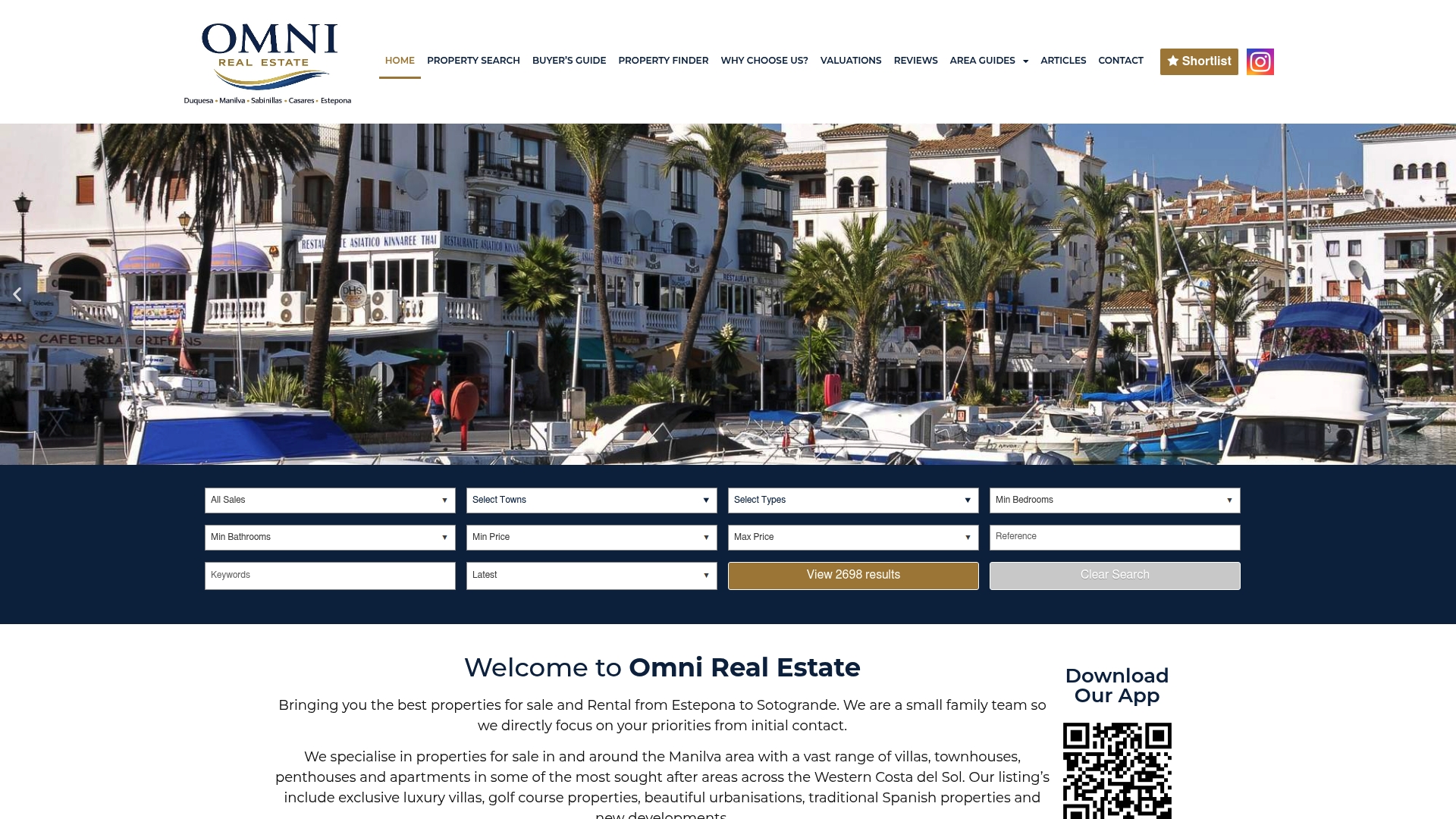
Whether you are searching for a port-side apartment or a golf community villa, Omnirealestate’s database of over 7,500 listings gives you immediate access to vetted options across the area. The team provides personalised guidance on documentation, legal referrals, and negotiation at every stage. Start your search through the Omnirealestate property finder and get matched with listings that fit your checklist requirements from the outset.
FAQ
What is a Nota Simple and why do I need one?
A Nota Simple is a Land Registry extract confirming the registered owner, property description, and any charges or encumbrances. It is the first document your lawyer should obtain before any offer is made.
Can I inherit debts when buying property in La Duquesa?
Yes. Under Spanish law, community debts transfer with the property, covering the current year and the previous three years. Always request a signed certificado de deudas before signing any contract.
Do I need a NIE number before making an offer?
You need a NIE number before signing any property contract or opening a Spanish bank account. Obtaining your NIE should be your first practical step once you decide to buy in Spain.
How long does mortgage approval take in Spain?
Mortgage approvals take 3–6 weeks in Spain. Securing approval in principle before signing the Arras contract protects you if financing is delayed or declined.
Are golf community properties subject to extra rules?
Golf community properties in La Duquesa are governed by private statutes that can restrict rentals, set maintenance standards, and impose higher community fees. Review the full statutes with your lawyer before signing any agreement.