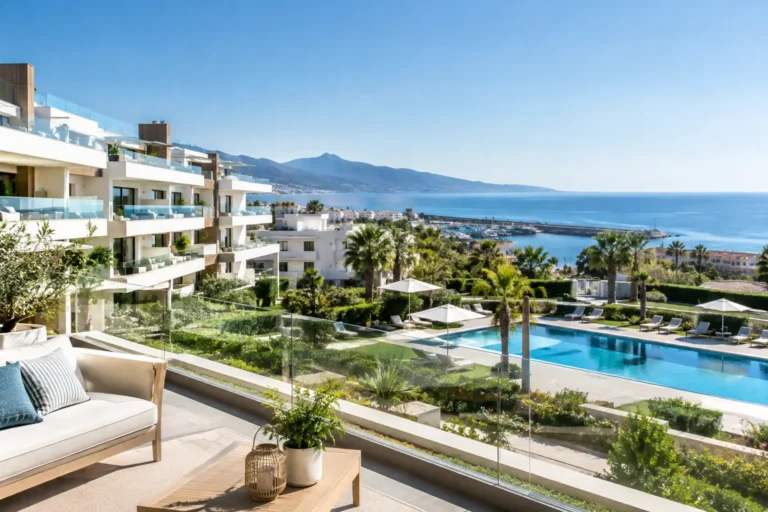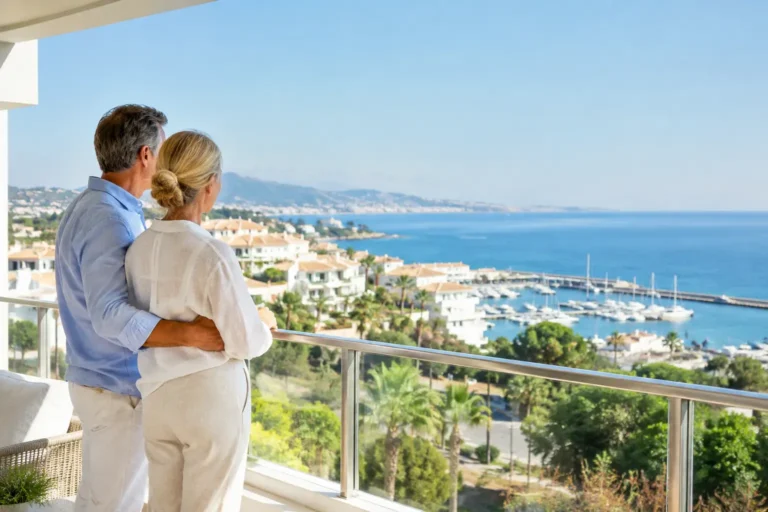

Estepona is no longer simply the quieter neighbour to Marbella. For many British and international buyers, it offers the balance they have been looking for: a working Spanish town, an attractive promenade, established residential communities and a wide choice of homes. Finding the right property for sale in Estepona is less about chasing the first sea view and more about matching the location, condition and running costs to the life you intend to lead here.
Whether you are planning a holiday base, a permanent move, retirement in the sun or a rental investment, a clear brief will help you make decisions with confidence. The best purchase is rarely the property with the longest feature list. It is the one that works when you arrive in August, when you visit in January and when the practicalities of ownership begin.
Why Estepona appeals to different buyers
Estepona has kept a character that many people hope to find on the Costa del Sol. Its old town has pedestrianised streets, traditional façades, independent restaurants and everyday services, while the seafront provides an easy route for walking, cycling and enjoying the beach. This is a town where owners can feel part of a community rather than visitors passing through.
At the same time, Estepona has grown considerably. There are modern developments, frontline golf homes, established urbanisations and villas in quieter residential areas. That variety is a strength, but it means two properties described as being in Estepona can offer very different experiences. A new-build flat near the western edge of town, for example, will suit a different buyer from a traditional townhouse in the old town or a villa close to a golf course.
The road connections also make Estepona practical for buyers who want access to Marbella, Sotogrande or Málaga Airport without living in the busiest resort areas. Travel times still need to be checked at the times you expect to use them, particularly in summer, but the location works well for both regular short breaks and longer stays.
Choosing the right area for property for sale in Estepona
The first question is not usually, “What can we buy?” It is, “How do we want to spend our time?” Buyers who want to walk to cafés, shops and the beach often focus on central Estepona, the old town and the seafront. Here, convenience can outweigh private outdoor space, and parking may be more limited than in newer communities.
The New Golden Mile, stretching east from Estepona towards San Pedro, is popular with buyers seeking contemporary developments, beach clubs, golf and a more resort-style setting. Many properties offer communal pools, gardens and security, though the need for a car varies widely from one development to another.
To the west of Estepona, areas towards the marina and beyond can provide good value, more open views and a slightly less built-up feel. These locations deserve a visit in person. A property may look close to the beach on a map, but gradients, road crossings and the nearest year-round amenities can make a meaningful difference to daily life.
For some buyers, nearby Casares, Sabinillas, La Duquesa and Manilva may also be worth comparing. The right choice depends on whether you prioritise being in the heart of a town, close to a marina, beside a golf course or in a quieter home with more space for the budget.
Match the property type to your plans
A lock-up-and-leave flat in a well-managed community is often the most straightforward option for frequent holiday use. Look beyond the terrace and pool: ask how the community is run, what the quarterly fees cover, whether there are planned works and how easy the property will be to maintain when you are in the UK.
Penthouses can be particularly appealing for their terraces and views, but they can bring higher community charges and greater exposure to sun and wind. Check the quality of awnings, glazing, waterproofing and access to the solarium. The best outdoor space is one you will genuinely use for much of the year.
Townhouses suit buyers who want more room and a sense of a home rather than a holiday flat. They often offer several levels, private terraces and access to shared facilities. Consider stairs carefully if this is intended as a retirement property or a home you plan to keep for many years.
Villas offer privacy, gardens and the flexibility to host family and friends. They also require more attention. Pool maintenance, gardening, security, insurance and repairs need to be allowed for, especially if the property will stand empty for periods. A lower purchase price can sometimes be offset by higher ongoing costs.
New developments are attractive for their energy efficiency, modern layouts and predictable finish, while resale homes may offer larger rooms, mature gardens and established locations. Neither is automatically the better choice. With off-plan property, buyers need to understand the developer, payment schedule, completion date and bank guarantees. With resale homes, a detailed survey and legal due diligence are equally essential.
Set a realistic budget before viewing
The asking price is only one part of your budget. In addition to the purchase price, buyers should allow for taxes, legal fees, notary and Land Registry costs, plus any mortgage-related charges. The exact total depends on whether the home is a resale or a new build, its value and the structure of the purchase, so obtain advice based on the specific property rather than relying on a general estimate.
Running costs matter just as much. Community fees can vary considerably according to facilities such as pools, gardens, lifts, concierge services and security. Check annual IBI council tax, rubbish collection charges, utilities and insurance. If rental income is part of the plan, include management, cleaning, maintenance and periods when the property may be vacant.
Be honest about your priorities. A sea view, walkability, a large terrace, underground parking and a low-maintenance home may all be desirable, but a realistic budget may require a compromise. It is better to identify the one or two features you will not sacrifice than to view every type of home and become less certain with each visit.
Checks that protect your purchase
Buying in Spain is perfectly manageable with the right professional support, but no buyer should treat it as a simple reservation process. An independent Spanish lawyer should review the legal status of the property, ownership, debts, planning position, licences where relevant and the terms of any contract before funds are committed.
For a resale home, ask for the latest community minutes and confirmation that community fees are paid. These documents can reveal upcoming works, disputes, restrictions on holiday rentals or maintenance issues that photographs will not show. If you are buying in a community, its rules are part of the purchase too.
For older properties, a survey can be money well spent. Pay particular attention to roofs, terraces, damp, drainage, air conditioning, windows and any alterations to terraces or internal layouts. A home can be beautifully presented and still need practical work that affects your first-year budget.
If you expect to rent the property, do not assume it is automatically eligible for tourist lets. Licensing requirements, local regulations and community statutes can all affect what is possible. Buy because the property suits you first, then assess rental potential carefully and conservatively.
View with daily life in mind
During a viewing, take time to stand quietly on the terrace, open and close windows, test mobile signal and look at the approach to the property. Notice where you would park, where guests would park and whether the route from the car to the front door is comfortable with shopping or luggage.
Ask how the development feels in winter as well as summer. Some communities are lively year-round; others become much quieter outside peak holiday periods. Neither is wrong, but it should match your expectations. It is also sensible to revisit a favourite property at a different time of day, particularly if traffic, road noise or sun exposure could influence your decision.
At Omni Real Estate, we encourage buyers to narrow the search around how they intend to use their home, not simply the number of bedrooms or a headline price. Local guidance can save time, especially when comparing developments that look similar online but feel very different on the ground.
A well-chosen home in Estepona can become far more than a place to visit. Start with an honest brief, view with your everyday routine in mind and make sure every legal and financial question has a clear answer before you proceed. That is how a property begins to feel like the right home.